Studio ceramics
 Marisa AltepostStoneware ceramics
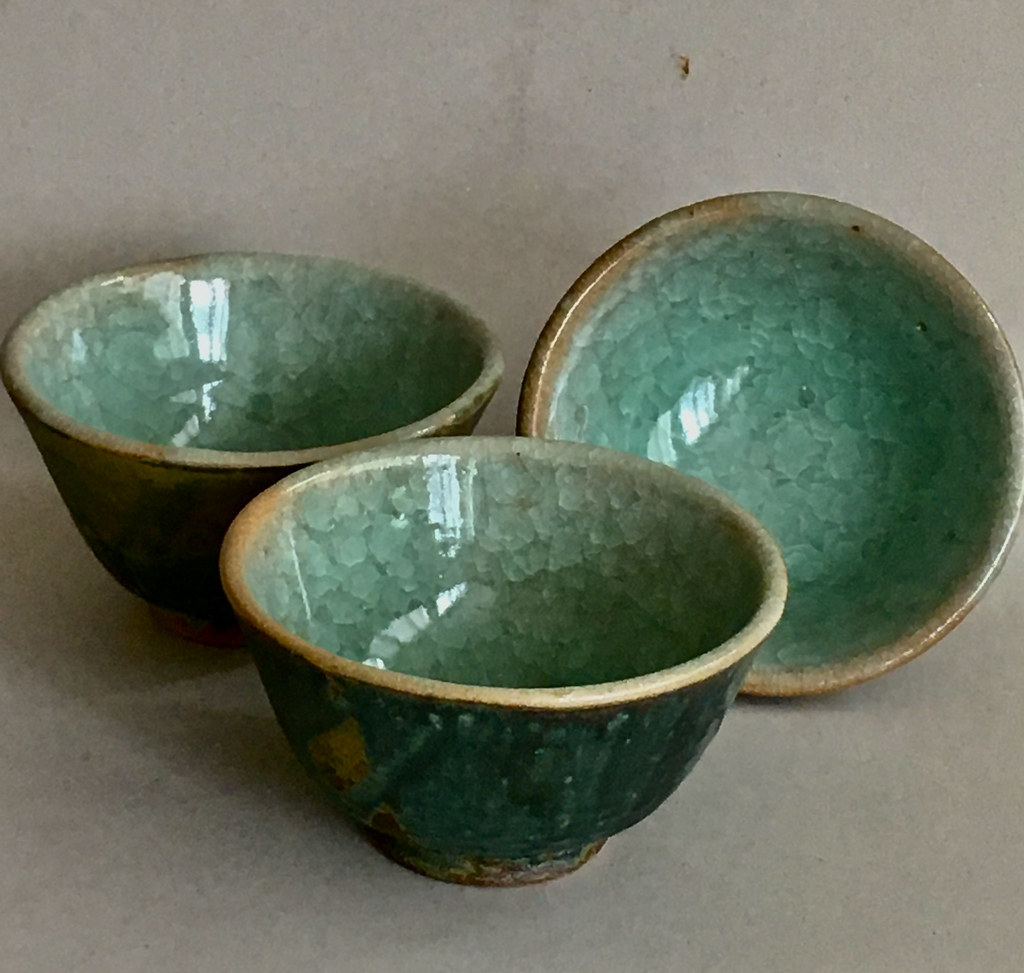
Stoneware made in Sala Capriasca and fired at high temperature, with glazes Marisa Altepost builds from ash and the oxides of iron and copper.
Turn the page| 02 | Biography | Sala Capriasca |
| 03 | Technique and fire | Seger method |
| 04 | Selected works | Flickr |
| 05 | The Ceramic Garden | Film |
| 06 | Convento del Bigorio | 2019 |
| 07 | Online archives | Link |
| 08 | Contact | Studio |
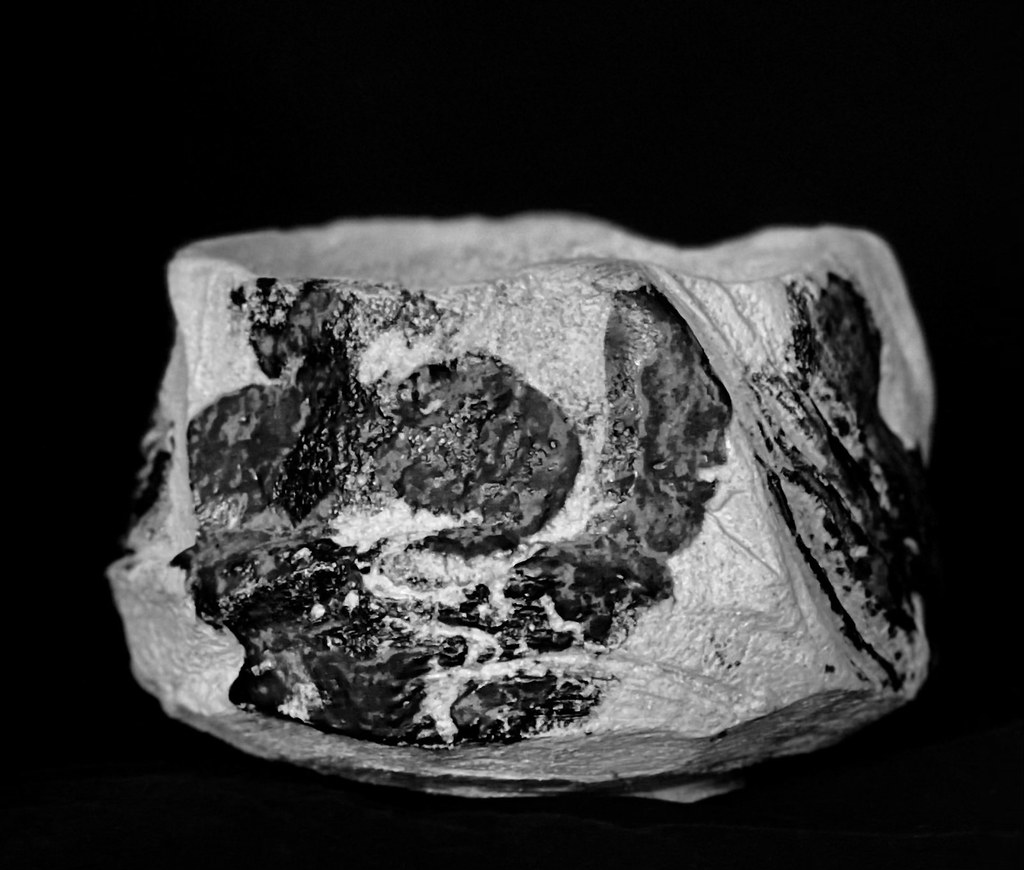
Marisa Altepost, ceramist
Biography
Born in Sardinia; upper-secondary teacher training. I live and work in Sala Capriasca.
Clay called to me in the 1970s through Bernard Leach's A Potter's Book, which I read in French as Le livre du potier. Leach led a movement that joined Eastern and Western culture in an extraordinary way. I owe my search for glazes and forms to that school (D. Leach, J. Colbek, P. E. Maddalena) and to my great passion.
“Ceramics is a great passion, a choice of life, a spiritual path.”
Through failure and success, disappointment and reward, it has taught me to keep things in proportion, and not to fall into the trap of identification, the great misunderstanding we are all exposed to: we are not the experience, but those who have the experience; we are not the makers, but the spectators.
My goal: Simplicity. Simplicity as a point of arrival, as the realisation of beauty, as spiritual growth.
“The potter is a means through which Nature turns matter into a spiritual experience.”
Technique and fire
Stoneware firing
1280°
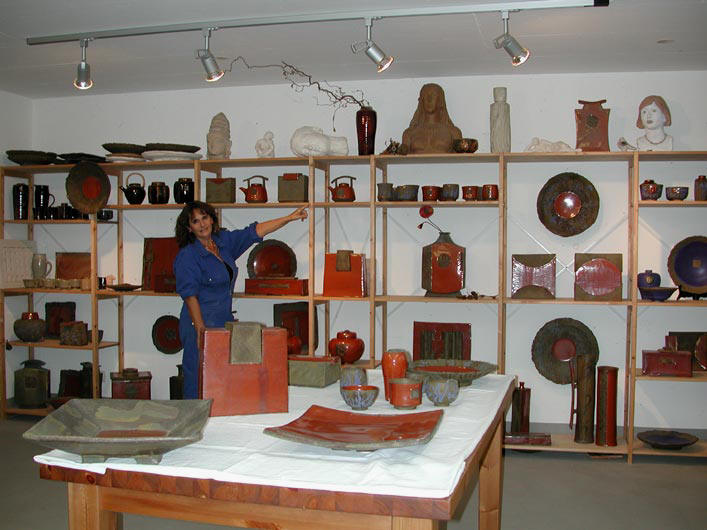
Her research follows the Seger method: glazes calculated from their oxides, then tested, in particular on ashes and on iron and copper oxides. The pieces are fired in oxidation and in reduction, in electric and gas kilns, at 1280–1300°.
- Body
- Stoneware
- Glazes
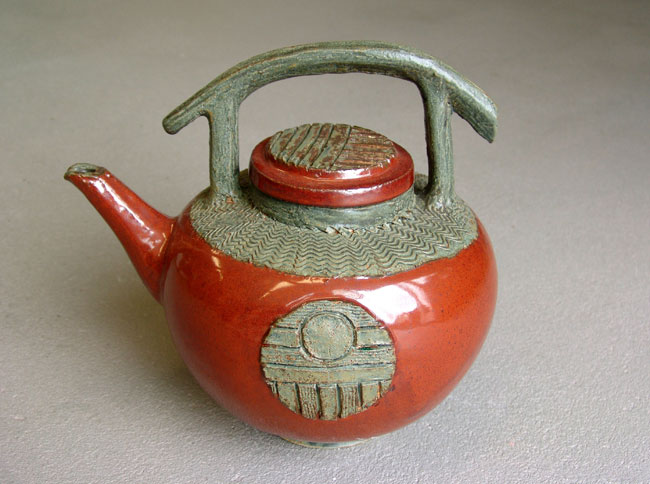
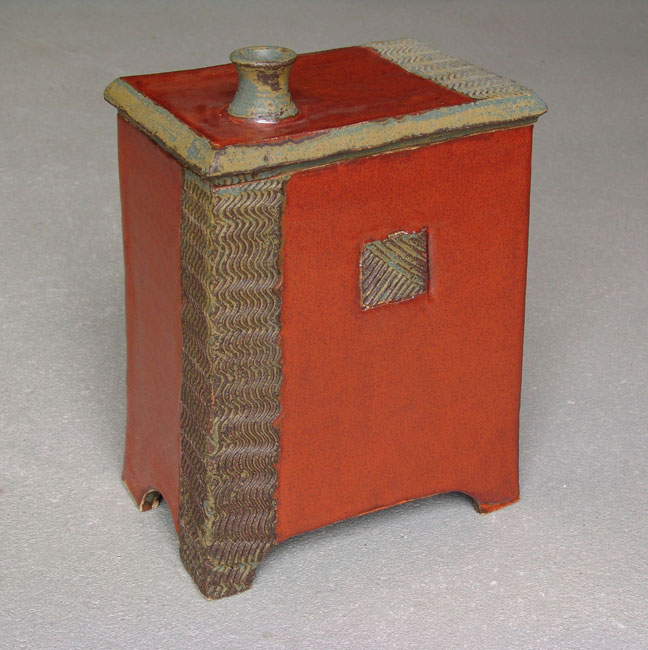
- Ash, iron and copper oxides; iron red
- Firing
- Oxidation and reduction, electric and gas kilns
- Temperature
- 1280°–1300° C
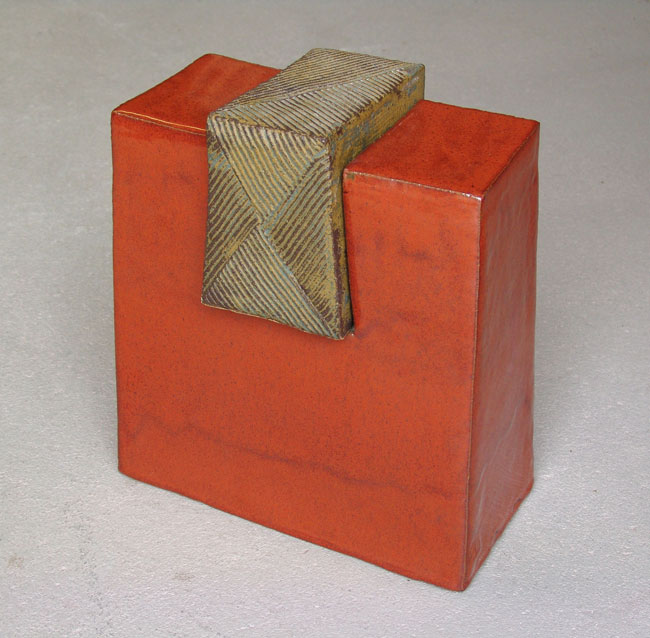
From the Flickr portfolio
Selected works
«Il mio obiettivo: la Semplicità.» My goal: simplicity, as a point of arrival, as the realisation of beauty.
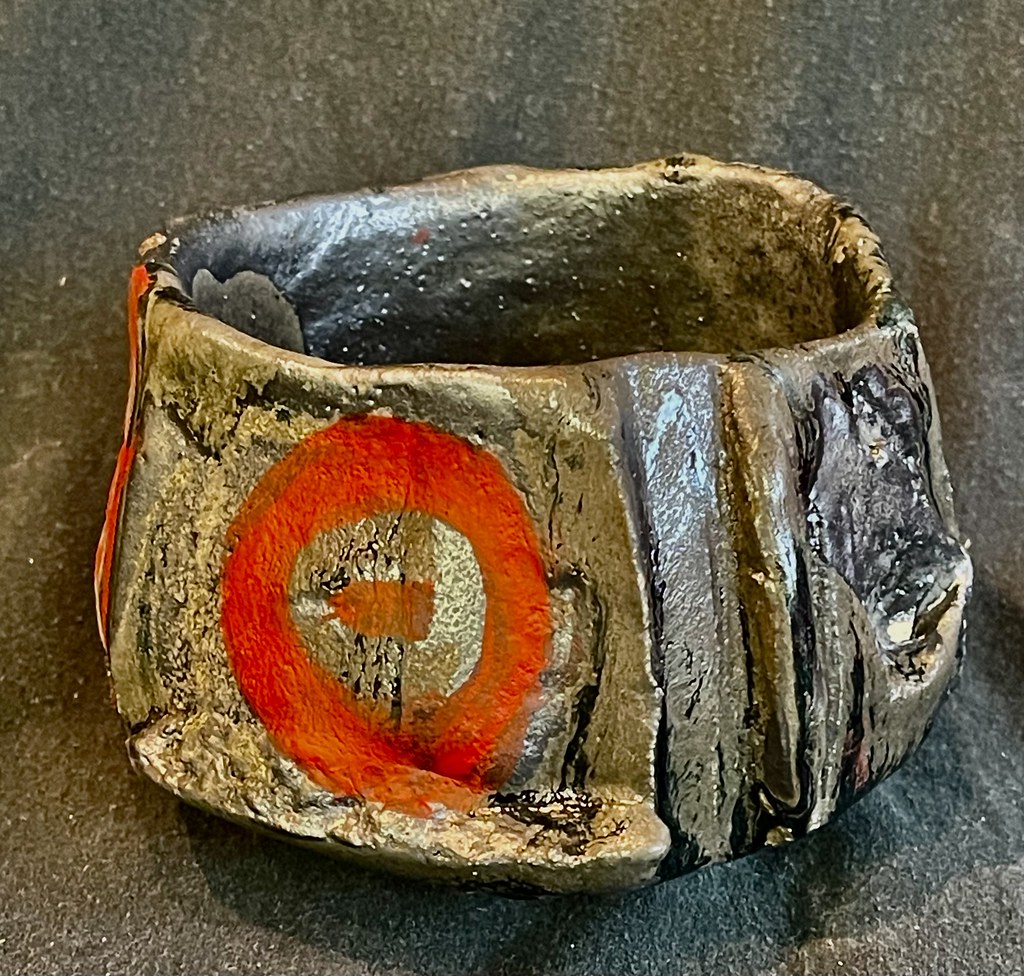
- iTea bowl, black slip
- iiTea bowl, green ash
- iiiBowls, celadon
- ivVase, cobalt
- vTea bowl, ash and iron
- viSlabs, cobalt
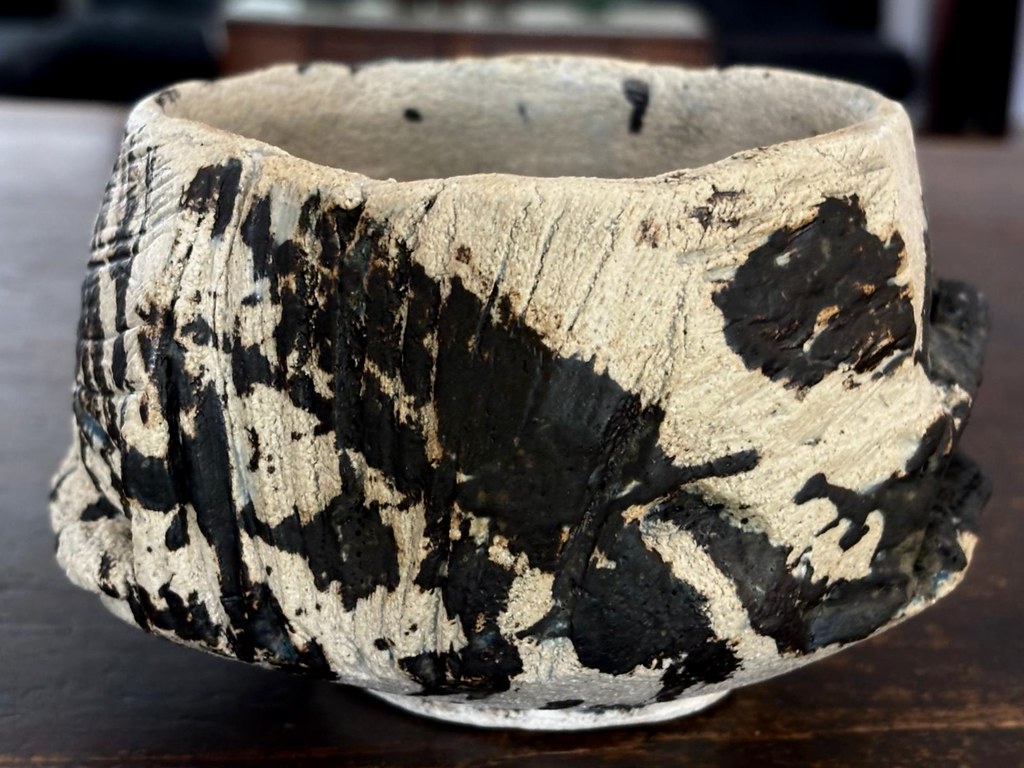
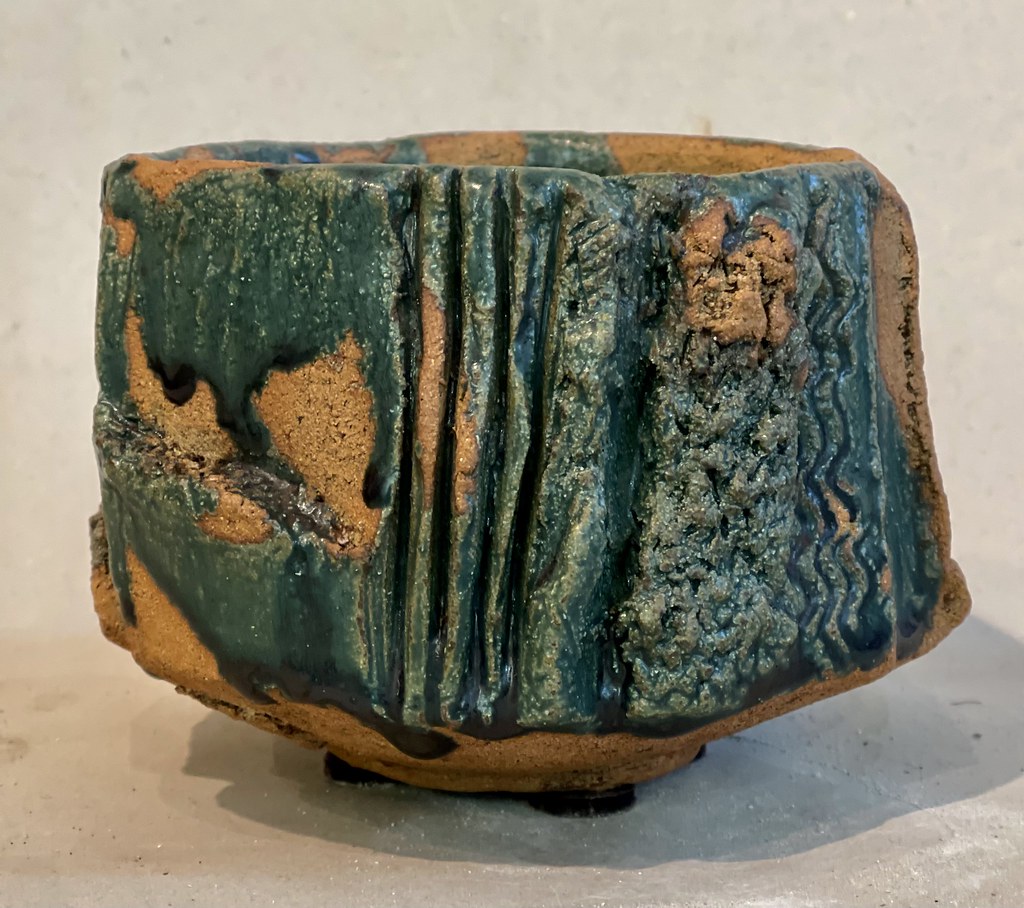
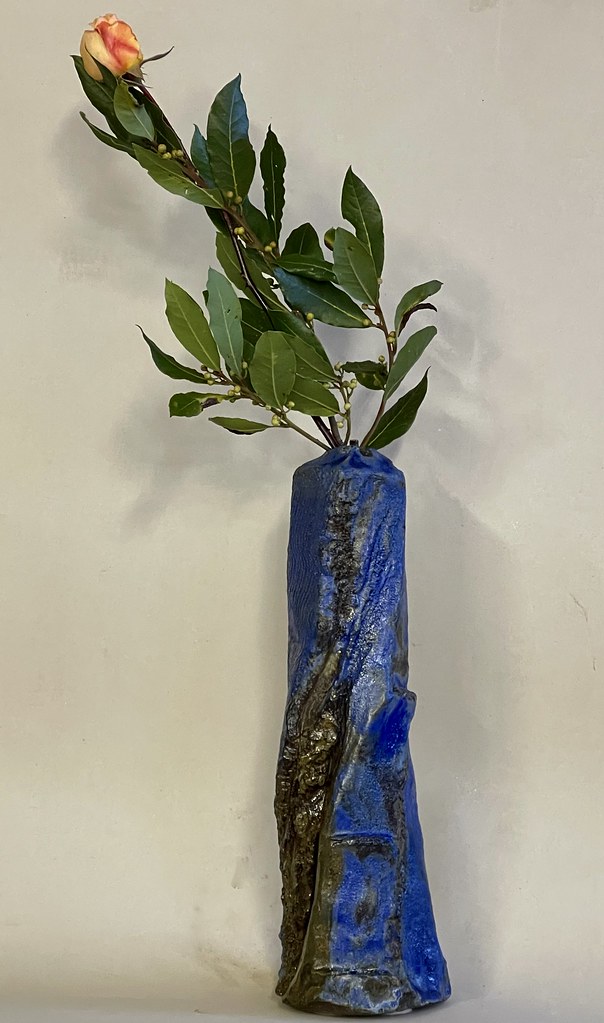
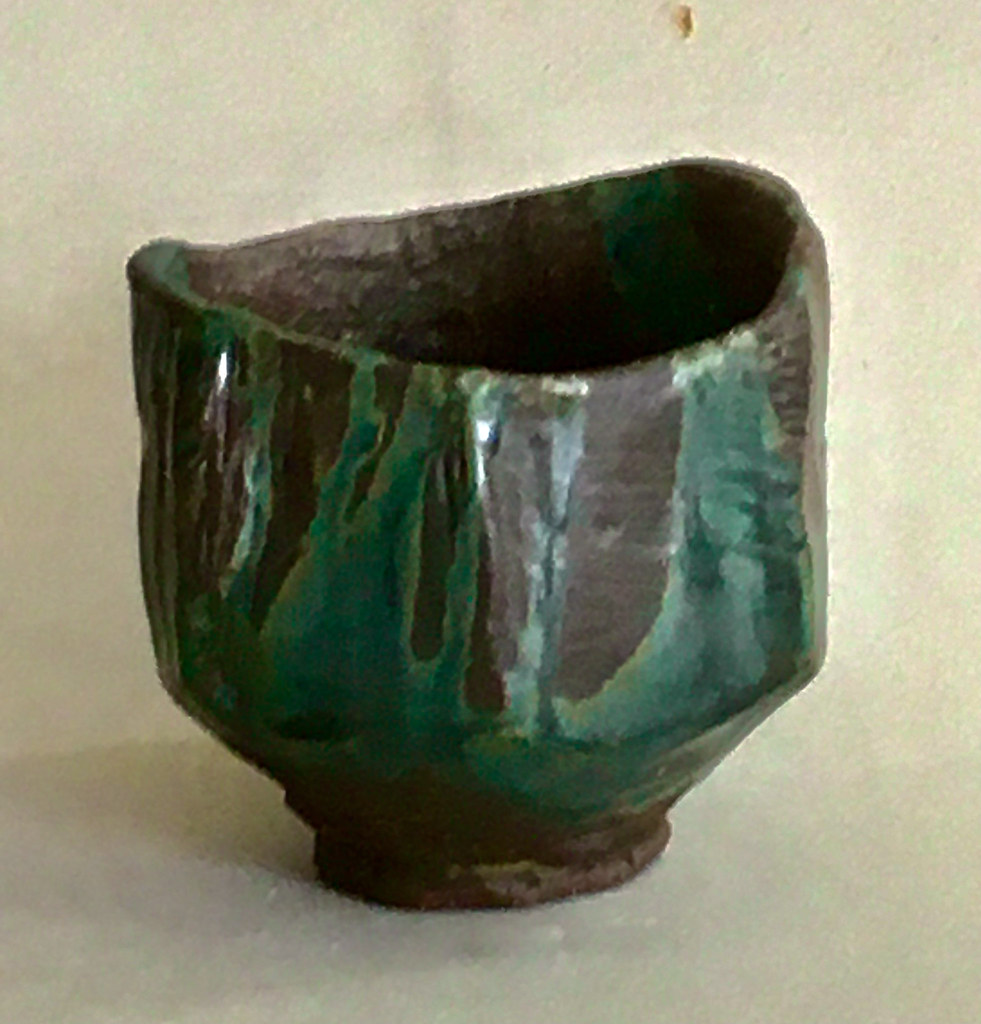
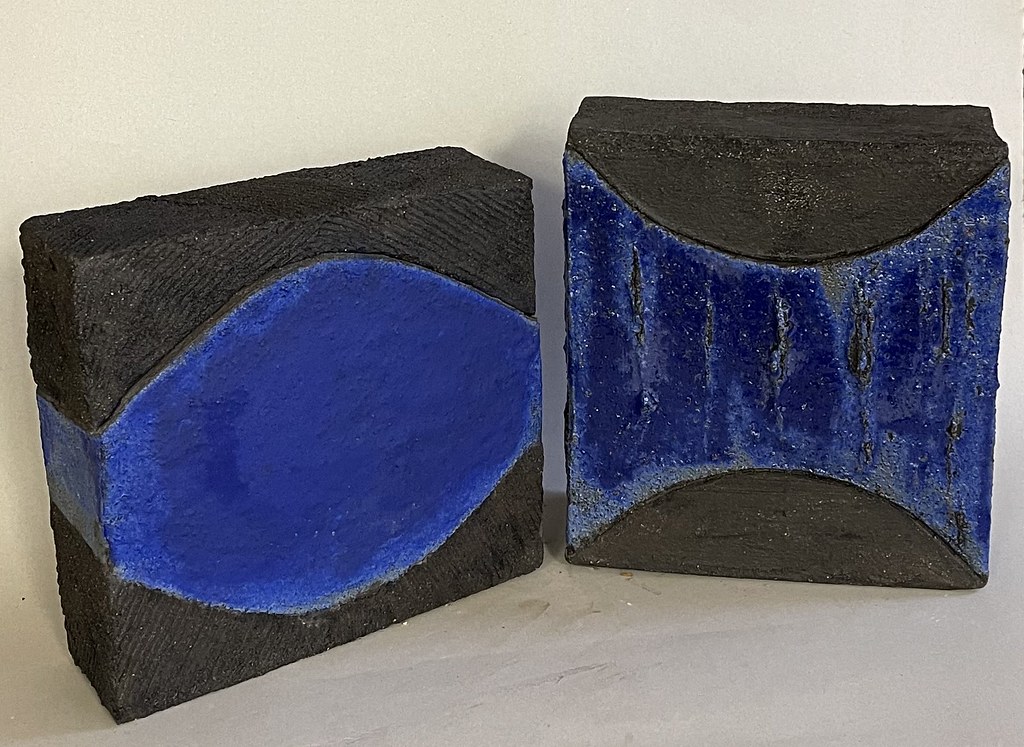
Film · 70 seconds
The Ceramic Garden
A rainy day in her garden, laid out like a Japanese garden, with her work everywhere in it: glazed platters on the wet table, a ceramic face on the wall, succulents along the windowsill.
- 雨
- Ame · rain
- 土
- Tsuchi · earth, clay
- 手
- Te · the hands, the maker
Exhibition archive
Il Ricettivo · La Terra
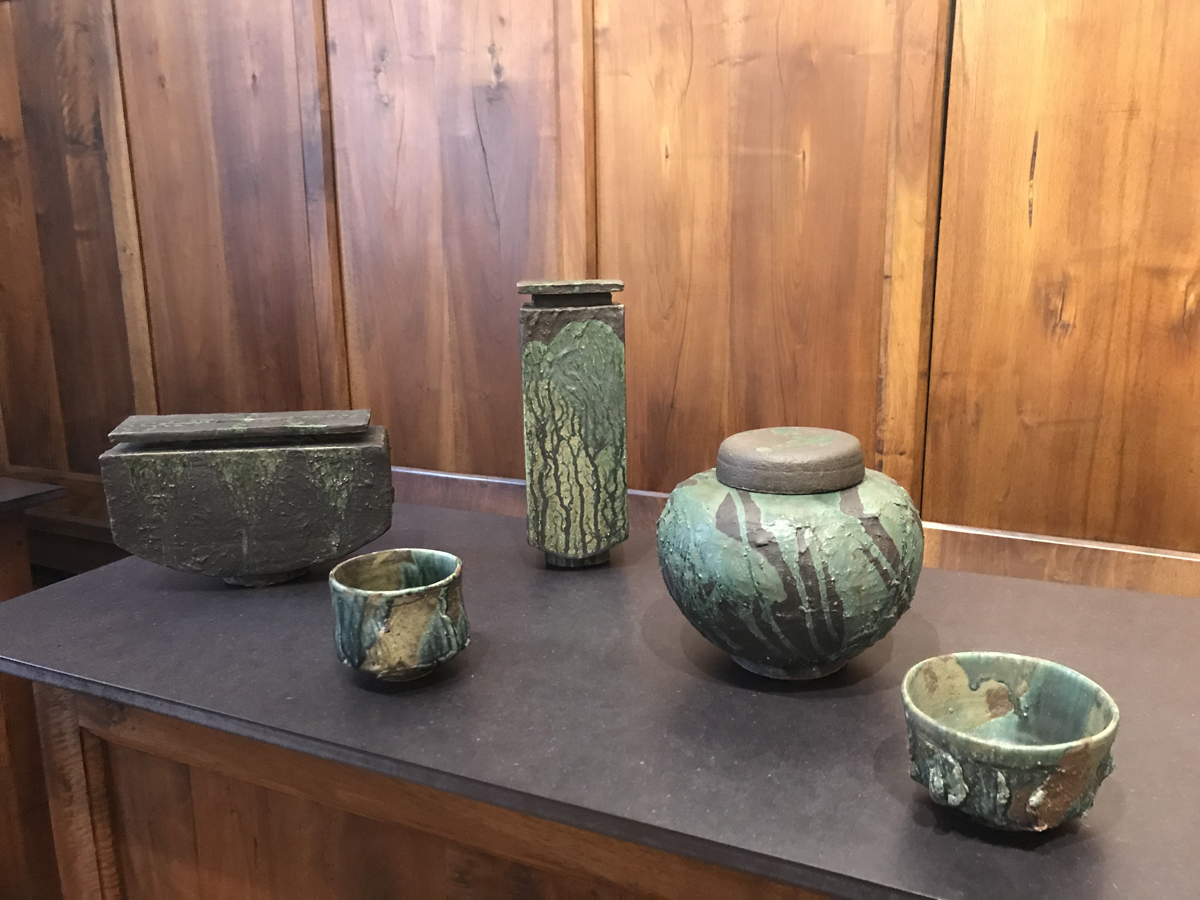
In the choir of the Convento del Bigorio, autumn 2019.
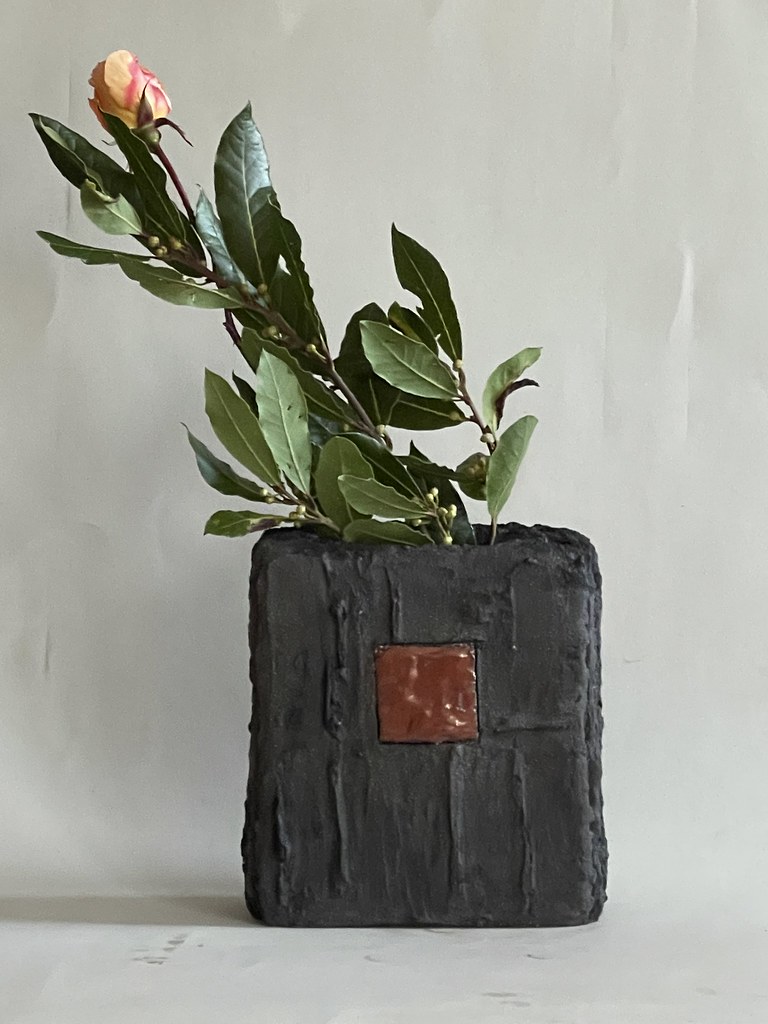
Above Sala Capriasca, the Capuchin convent of Bigorio opened its wood-panelled choir to her work for three weeks: iron-red boxes, ash-glazed vessels and bowls set out on the stalls beneath the painted crucifix.
- Venue
- Coro del Convento del Bigorio
- Year
- 2019
Online archives
Elsewhere online
Contact and studio
Marisa Altepost
Ai Ronchi6954 Sala Capriasca
Switzerland
marisa.altepost@bluewin.ch